
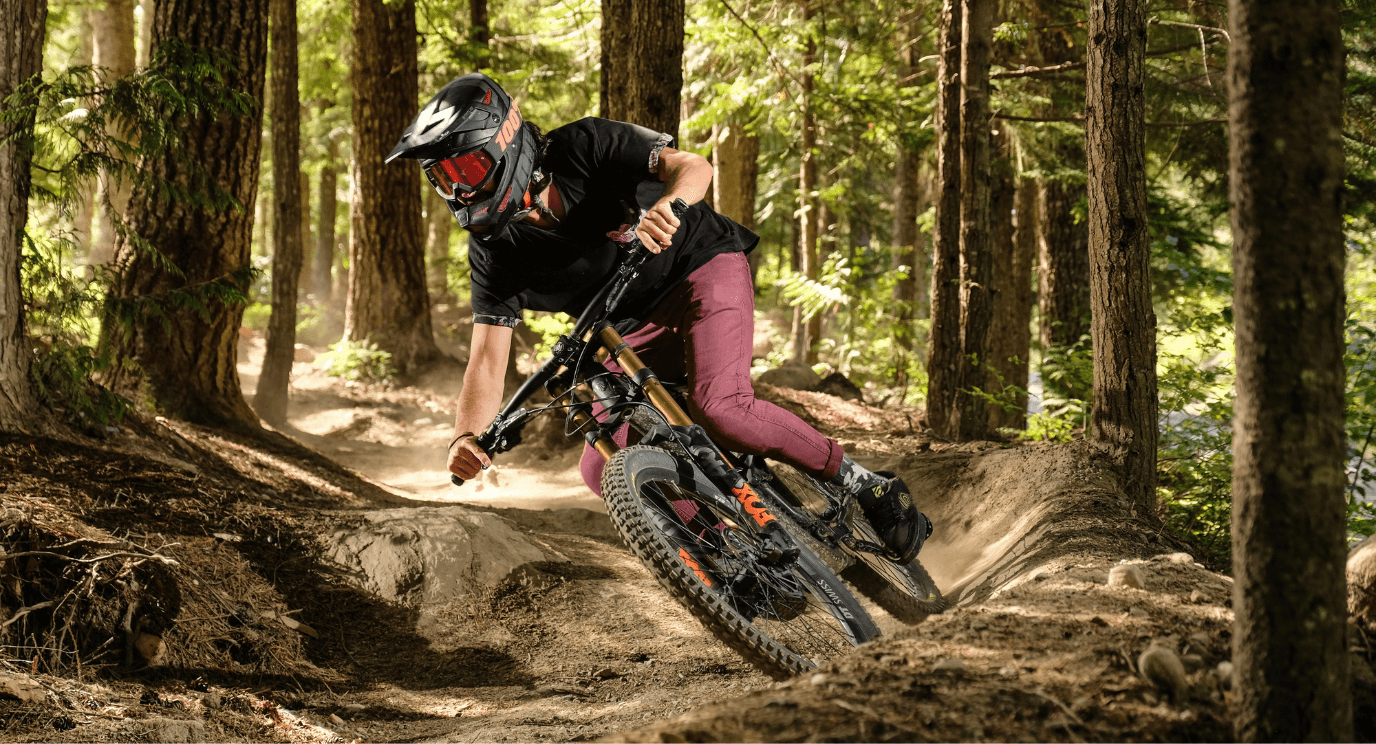

If you ride bike parks, uplifts or proper downhill trails, a full-face helmet is the most important bit of kit you'll buy. It protects your jaw and face as well as your head, which an open-face helmet can't.
Look for MIPS (Multi-directional Impact Protection System) or a similar system to reduce rotational forces in a crash, a secure retention system and a fit that doesn't move about.
The good news is you don't need to spend a fortune. This guide covers what to look for and the best full-face helmets under £150, plus one upgrade pick.
Understanding Full Face Mountain Bike Helmets
A full-face helmet covers your whole head and your jaw with a chin bar. It's what downhill racers and most enduro riders wear on the descents.
So, who would benefit from donning a full-face helmet? If you’re someone who thrives on the adrenaline of downhill riding, enjoys the challenges of trail riding at higher speeds, or spends your weekends exploring rugged bike parks, then this helmet is crafted for you.
It’s for the rider who knows that the risk of rotational impacts is real and wants the assurance of a MIPS liner or similar rotational impact protection system. It’s for the mountain biker who understands that in the event of a crash, a full-face helmet can provide excellent protection, shielding the face and back of the head as no open face helmet can.
Typically, full-face mountain bike helmets are engineered with a variety of safety features and comforts. From the breakaway visor designed to detach upon impact to prevent neck injuries, to the EPS foam liner that cradles your head, these helmets are the epitome of advanced safety standards in action. The best helmets also include well-ventilated designs, ensuring that long rides under the sun don’t become uncomfortably warm. With features like an adjustable fit system, a comfortable helmet becomes like a second skin – you’ll barely notice it’s there as you focus on the trail ahead.

Features of a Full Face Mountain Bike Helmet
When it comes to full-face MTB helmets, the features are designed with a focus on protection, comfort, and performance. Here are some of the hallmark features you should expect:
- MIPS Technology: MIPS stands for Multi-Directional Impact Protection System. This safety feature helps reduce rotational forces that can result from certain impacts.
- Ventilation: Good helmets offer excellent ventilation. Large vents and channels provide better airflow, keeping you cool during high-speed descents or on long days at the bike park.
- Weight: Light weight is key for comfort and can reduce neck fatigue during longer rides. The lightest helmets use advanced materials to protect without weighing you down.
- Visor: A breakaway visor serves a dual purpose—protecting your eyes from the sun and debris, and breaking away in a crash to minimize the risk of neck injury.
- Fit System: A comfortable fit is crucial. A fit system ensures the helmet stays securely in place, offering better protection and a more comfortable experience.
- Chin Strap: A sturdy chin strap is essential for keeping the helmet securely fastened. D-ring closures are often used for their reliability.
- Certifications: Safety certifications like CPSC, CE: 1078, or AS/NZS 2063 indicate that the helmet meets established safety standards, an important factor to consider for any rider.
These features work in tandem to provide mountain bikers with the confidence to tackle challenging terrains, knowing they have the best possible protection.
Key Considerations When Choosing a Helmet
Selecting the right full-face mountain bike helmet is a balancing act between various factors:
- Safety Above All: The most important thing is that the helmet meets or exceeds safety standards, offering features like MIPS technology and adequate coverage at the back of the head and jawline for maximum head protection.
- Fit and Comfort: A helmet should have a comfortable helmet fit system, ensuring it sits snugly without being overly tight, which can become uncomfortable on long rides. A well-ventilated helmet can also greatly increase comfort.
- Vision: A large visor not only protects against the elements but should also offer a wide range of vision, essential for trail riding and navigating technical sections.
- Weight Considerations: A lighter helmet can reduce strain on the neck and is generally more comfortable, which is critical for enduro riders or those out on long rides.
- Durability and Maintenance: Look for a helmet with a durable outer shell and features like a removable and washable liner for easy cleaning after a muddy day on the trails.
Best Full Face Mountain Bike Helmets
Fox Rampage MIPS Full Face MTB Helmet
The Fox Rampage Pro Carbon MIPS is the upgrade pick: at full price it's well over our £150 budget. It scores highly for protection, has MIPS, breakaway visor screws and a carbon shell that keeps the weight down.

Key Features:
- MIPS impact protection system
- Breakaway visor screws
- Dual-density, in-mold Varizorb™ EPS
- Lightweight, carbon fibre shell
- Vent screens for airflow and protection from debris
7iDP M1 Full Face Helmet Grey
Reviews highlight the 7 iDP M1 Full Face Helmet’s performance, quality, and value, suggesting it meets the specific needs of mountain biking enthusiasts in terms of speed, durability, and comfort. However, detailed feature information wasn’t available in the provided snippet.

Key Features
- Lightweight ABS Shell
- 17 Vents provide cool air intake and heat exhaust
- Large eye port for greater field of vision and improved goggle fit
- Complies to CE, CPSC and AS Standards
661 Reset Full Face MTB Helmet Contour Black
The 661 Reset Helmet is designed with MIPS technology, aiming to provide excellent protection without being too costly. It features a lightweight ABS shell and has been optimized for protection against rotational forces. The helmet was developed with input from pro riders, balancing safety, ventilation, and visibility.

Key Features
- MIPS “E2” Brain Protection System
- Lightweight ABS shell
- Large angular vents for airflow
- Large sculpted eye port for vision and goggle fit
- Complies with multiple safety standards
7iDP Project 23 ABS Helmet
The 7iDP Project 23 ABS Helmet offers a new take on downhill helmets with an upgraded look. Its ABS shell reduces weight and increases shock absorption, making it incredibly light yet strong. It includes 23 big bore vents for superior ventilation and features a quick-release liner for easy maintenance.

Key Features
- 23 big bore vents for airflow
- Quick-release liner for washing
- Adjustable breakaway visor
- EPS core material and buckle closure system
- Certified for downhill and freeride use
What to Look for in a Full Face Helmet Under £150
While affordability is a key factor, it should not come at the expense of essential features:
- Protection: MIPS or a similar rotational-impact system.
- Certification: look for a downhill certification such as ASTM F1952 if you'll ride downhill or bike parks; check the label.
- Ventilation vs weight: a lighter, better-ventilated helmet is nicer to ride in, but not at the expense of protection.
- Fit: it should be snug all round, with no pressure points, and shouldn't move when you shake your head. Try before you buy if you can.
- Build: a well-made shell and liner last longer. Replace any helmet after a significant crash.
The best helmet is the one that fits your head properly, has the protection you need and fits your budget.
For most riders, a well-fitting MIPS full-face from this list is all you need. Try a few on if you can, as fit varies a lot between brands, and replace your helmet after any big crash.